
One Sunday evening last February, my granddaughter leaned in to tell me a secret over the clatter of a family dinner, and all I heard was the screech of a chair on the hardwood. I did what I always do—the 'Principal’s Nod.' I smiled, tilted my head, and pretended I was part of her world. But inside, it felt like a door had slammed shut. I realized then that nodding along wasn't enough anymore.
Before we dive into my notes, I have to be clear: I’m not a doctor or an audiologist. I’m just a retired guy from suburban Boston who spent three decades in noisy hallways. I earn a commission if you buy through the links here, at no extra cost to you, but I only talk about what I’ve actually put to the test alongside my hearing aids. Always talk to your own professional before trying something new.
The 30-Year Echo: Why My Ears Finally Gave Out
Looking back, the damage wasn't a sudden explosion. It was 30 years of noisy cafeterias, gymnasiums, and school bells. The National Institute for Occupational Safety and Health (NIOSH) says the recommended exposure limit for noise is about 85 decibels. In a middle school hallway during a passing period? We were hitting that and then some, every single day. You don’t notice it when you’re 35 and busy, but by 56, the bill comes due.
I used to think my hearing aids were the final answer. I’d pop in those little brown 312 batteries every week and figure I was good to go. But while the aids made things louder, they didn't always make them clearer. It’s like turning up the volume on a fuzzy radio station. You can hear the noise, but you still can’t make out the lyrics. I wanted the clarity back—the kind of hearing where you don't have to study a person's lips like you're preparing for a final exam.
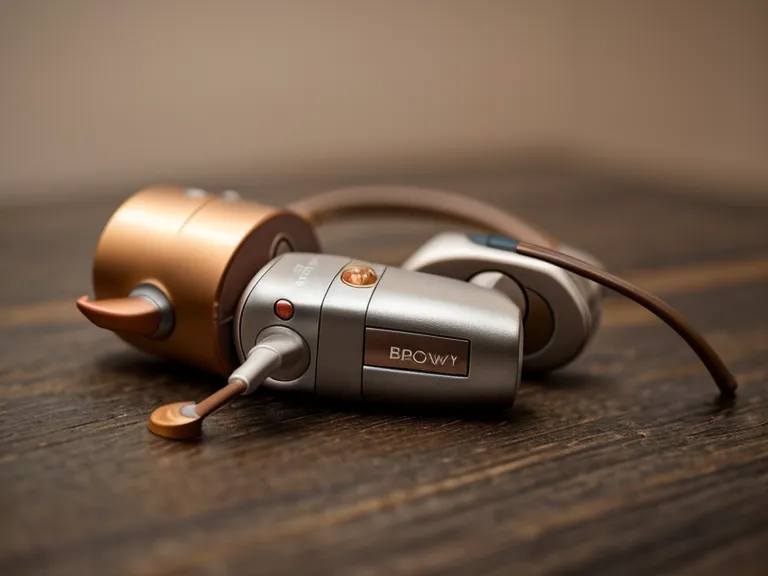
Starting the Log: Late February and the First Steps
I started a simple log in a spiral notebook. Each week, I’d rate my conversations in three areas: restaurants, phone calls with my kids, and Sunday dinners. In late February, everything was a 'Hard.' I felt like I was living underwater. That’s when I decided to see if nutritional support could bridge the gap that my 312 batteries couldn't reach.
I began with Audifort. I liked the focus on natural ingredients that support the delicate inner workings of the ear. About a month into the trial, around early May, I noticed a subtle shift. It wasn't that the world got louder—it was that the 'brain fog' of trying to listen started to lift. I wasn't as exhausted by 7 PM. If you've ever wondered is Audifort better than other natural hearing support for retirees, my early notes suggest it’s about the steady, cumulative support rather than a quick fix.
I also spent some time with Quietum Plus. It’s an established name for a reason. While I found Audifort better for my general clarity, Quietum felt like it helped with that occasional 'ringing' that follows a long day in a crowded place. It's about finding what fits your specific rhythm.
The Mid-Summer Turning Point: August Clarity
By mid-August, I had a moment that changed my perspective. We were at a crowded seafood place on the coast—lots of clinking silverware and high ceilings. Usually, that’s my nightmare. But halfway through lunch, I realized I hadn't asked my wife to repeat herself once. I was actually following the conversation about our neighbor's new boat without having to lean in so far I nearly fell off my chair.
During this period, I was also looking into the 'brain-ear' connection. Supplements like ZenCortex and Zeneara focus on that mental fatigue. When you have age-related hearing loss, your brain works overtime to fill in the gaps of the frequencies you've lost—usually the high-frequency sounds, like women’s and children’s voices, which can reach up toward that 20,000 Hertz limit we all had as kids. Supporting the mental side of hearing is just as important as the physical side.

The Truth About Over-the-Counter Fixes
Here is the thing I learned after six months of tracking: there is a huge temptation to just buy the cheapest over-the-counter amplifiers you see in the Sunday paper. They’re tempting because professional help is expensive. But those OTC devices often lack the long-term benefit of professional audiological support for complex decline. They just blast noise into your ear.
My approach has been a 'layered' one. I use my professionally fitted hearing aids for the mechanics, and I use supplements like Audifort to support the biological side. It’s like maintaining an old house—you need the right tools (hearing aids), but you also need good materials (nutrition) to keep the structure from crumbling. If you're struggling, it's worth learning how to manage age related hearing loss during large social gatherings through both strategy and support.
My Six-Month Comparison Table
After tracking my Sunday dinners and restaurant outings for half a year, here is how the options I tested stacked up in my personal log.
| Product | My Rating | Key Observation | Action |
|---|---|---|---|
| Audifort | 9.2/10 | Best for overall conversation clarity | View Support |
| Quietum Plus | 8.9/10 | Solid for ear comfort and noise sensitivity | View Support |
| Zeneara | 8.4/10 | Good for mental clarity during long talks | View Support |
| ZenCortex | 8.1/10 | Focuses on the brain-ear connection | View Support |
Final Reflections from the Dining Room Table
Look, I know how heavy it feels to lose your place in your own family. To sit there at dinner and feel like a ghost because the words are just out of reach. It’s isolating. But what I’ve learned over the last six months is that you don’t have to just accept the silence. Between the right technology and high-quality nutritional support, there are ways to sharpen the edges of the world again.
If you’re tired of the 'Principal’s Nod,' start your own log. See what works for you. For me, Audifort has become the cornerstone of my daily routine because it helps me stay present for the moments that matter—like finally hearing that secret from my granddaughter. Don't wait until the noise swallows everything. Take that first step toward clarity today.
| Product | Rating | |
|---|---|---|
| Audifort Top Pick | 9.2 | Read More → |
| Quietum Plus | 8.9 | Read More → |
| Zeneara | 8.4 | Read More → |
| ZenCortex | 8.1 | Read More → |
Audifort
Pros
- ▸ Noticeable improvement in conversational clarity
- ▸ Reduces the 'listening fatigue' after long social events
- ▸ Natural ingredients that feel gentle on the system
- ▸ Easy to integrate into a daily morning routine
Cons
- ▹ Premium pricing reflects the high-quality ingredients
- ▹ Requires consistent daily use to see real-world results