
Twelve minutes. That's how long my last phone call ran before my head felt wrung out like a used dish towel. If that sounds familiar, the phone fatigue that comes with hearing loss isn't in your imagination. A call does real damage that an in-person chat over the fence never quite manages.
Quick disclosure before we get into it: a few of the links below are affiliate links, and I earn a small commission if you buy through them, at no extra cost to you. I only mention hearing supplements I've tried myself alongside my own hearing aids — I'm not a doctor, just a retired principal who got tired of guessing at what people said.
Why Do Phone Calls Wear You Out Faster Than Talking Face to Face?
Here is the thing about a face-to-face conversation: you're never just listening. You're reading the shape of a mouth, the tilt of an eyebrow, the pause before someone gets to the good part. I wrote once about how much weight those small in-person cues carry in a piece about the moments hearing loss touches that nobody warns you about, and a phone call strips every one of those cues away the moment it starts ringing. What's left is a thin, flattened voice through a tiny speaker that tends to clip the higher-pitched sounds — the kind that separate 's' from 'f' from 'th' — which is close to trying to run lip reading in reverse, guessing at shape from sound instead of sound from shape. Restaurants do a version of this too, though that noisy-room struggle is its own animal I've covered elsewhere. On the phone, there's no face to fall back on. Just your ears, straining.
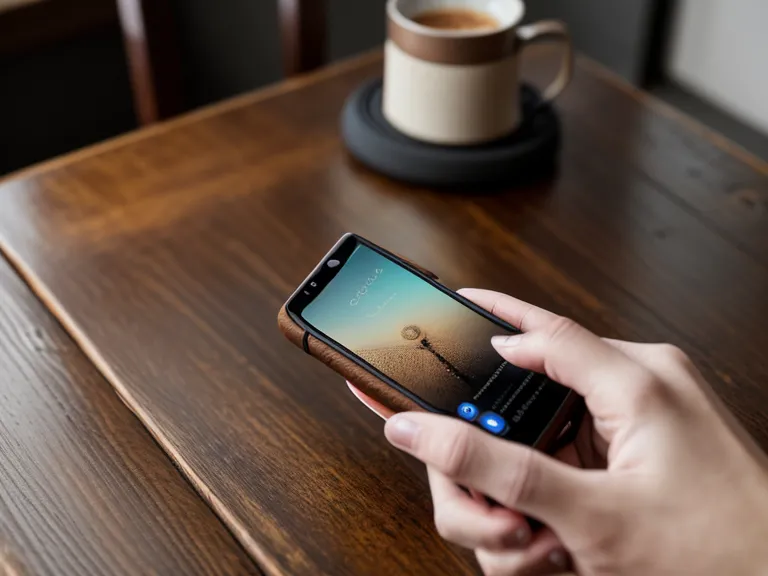
Your Brain Is Doing the Overtime, Not Just Your Ears
A friend of mine named Kwok-Wing — a retired science department head I've known since our principals' association days — doesn't take a claim like "phone calls wear me out" at face value. He's the one person in my circle who actually goes and checks the studies instead of nodding along, and when I told him about the exhaustion, he wanted the mechanism, not the complaint. So here's the honest answer: when your hearing comes up short on a word, your brain doesn't just leave the gap blank. It recruits extra resources to fill in what it didn't catch, piecing meaning together from context and tone and plain guesswork. That sustained effort is real mental work, the same category of tired you'd feel after hours of focused concentration, and it's why a twenty-minute call can leave you needing to sit down while someone with typical hearing finishes the same conversation without a second thought. Age-related hearing loss makes this worse over the years, since the brain has more gaps to bridge the further things slide. That's part of why I started looking at Audifort in the first place — not to fix the hearing itself, but to support whatever's happening in the background while my brain does that overtime work.
Does Texting Instead of Calling Actually Solve Anything?
I tried the workaround plenty of people suggest — asked my family to text instead of call, figured that would solve the fatigue problem outright. It didn't, not really. Texting saved my ears, but it also meant I started skipping group dinners for a while, because keeping up with a table full of overlapping conversations felt like even more work than the phone ever did, and I told myself I'd catch up later over a message instead. That's a trade you don't want to make. Avoiding the call doesn't fix the fatigue — it just relocates it, and eventually it starts costing you the get-togethers themselves. Let that slide long enough and it's easy to stop answering the phone at all, which edges toward the kind of isolation a lot of us are already fighting on other fronts.
Habits That Take the Edge Off a Phone Call
A few adjustments have made a real difference. Speakerphone stays on for almost every call now instead of holding the phone to one ear, since using both ears at once seems to help my brain process the sound more naturally. Captioning apps that put real-time text under a call have become something like a safety net — miss a word, glance down, keep going without breaking stride. Honesty helps more than pride ever did: telling someone flat out that you need them to slow down gets a better response than nodding along and hoping you guessed right. And for anything that's going to run long, a video call beats an audio one every time, because seeing a face again puts back some of what the phone takes away. None of these fixes are dramatic. They just add up.
Do Supplements Like Audifort Actually Help With Phone Fatigue?
I get asked this a lot, so here's the honest version. Audifort hasn't undone my hearing loss — nothing in a bottle does that, and I'd be lying if I said otherwise. What changed is subtler: there's a small ritual to it now, lifting the bottle in the morning and feeling the capsules tumble and click against the plastic before the cap even comes off, and the calls that used to leave me flattened started feeling a shade less draining. I put together a longer breakdown of that shift in a review of whether Audifort is worth it for seniors, with the specifics I track along the way. A few people I know lean toward Quietum Plus instead, especially if constant ringing is the bigger complaint for them rather than plain fatigue — that's a different itch to scratch, and not one I deal with myself. Either way, a supplement is a support, not a substitute. I still wear my hearing aids every single day.
Choosing Between Hearing Aids and Supplements When Calls Wear You Out
These aren't competing tools, whatever the ads might imply. Hearing aids handle the part a supplement never will — actually amplifying and shaping the sound reaching your ear. What a supplement might do, if it does anything for you, sits on the other side of that equation, supporting whatever's going on internally while your brain does the heavy lifting of decoding. Combining the two isn't unusual among people I've swapped notes with, and it's worth asking your own audiologist how the two fit together for your specific situation rather than guessing. The mistake is expecting either one, alone, to make a call effortless. Neither does. What they can do, together, is take enough of the edge off that a twenty-minute conversation stops feeling like a shift at work.
It's completely normal to dread the phone ringing when hearing loss is part of the picture, but dread doesn't have to be the last word. Not long ago my granddaughter called out to me from the hallway, and I answered without lifting my eyes from what I was doing, no bracing for a repeat, no turning my head to catch her mouth moving. That's what manageable looks like. Between better habits on the call itself, honest conversations with the people who love you, and support like an Audifort supplement working alongside whatever your audiologist has already set you up with, phone fatigue gets more manageable, even if hearing loss and aging mean it never fully disappears. Answer the call. Ask people to slow down when you need it. The conversation is worth more than the tired that follows it.